- 100 School
- Posts
- 💯 What changes when ChatGPT has ads
💯 What changes when ChatGPT has ads
What sponsored answers mean for your work + a free Claude Code session on Tuesday and how to join the Vibe Coding Olympics

Max Haining
January 25, 2026
Since launching 30 Days of AI challenge, I’ve been getting plenty of emails every week from professionals who are curious, frustrated, excited (sometimes all at once) about AI.
One thing that keeps happening is people finding us because they asked an AI "how do I learn AI?" and the AI said "try 100 School."
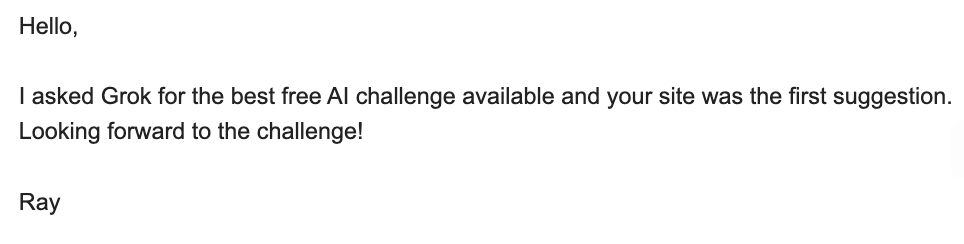

The funny part is back in July, I wrote a newsletter called "We're showing up in ChatGPT. Here's how you can too." At the time, we were getting around 500 visitors from ChatGPT. I said it felt like a glimpse of what was coming. Well, it came.
Six months later, we're not just showing up in ChatGPT. We're also showing up in Grok, Claude, Gemini. LLMs are becoming the new front door to the internet and this week, OpenAI made a move that confirms it.
Window Into the Future 🔮
ChatGPT is getting ads. Here's what I'm thinking about.
You've probably seen the headlines. OpenAI announced a new $8/month tier called ChatGPT Go, and they're starting to test ads in the US.
If this newsletter is your main source of AI stories, genuinely flattered, happy to be your filter. If you already saw it, stick around. The more I dug into this, the more I realized the interesting part isn't the ads themselves.
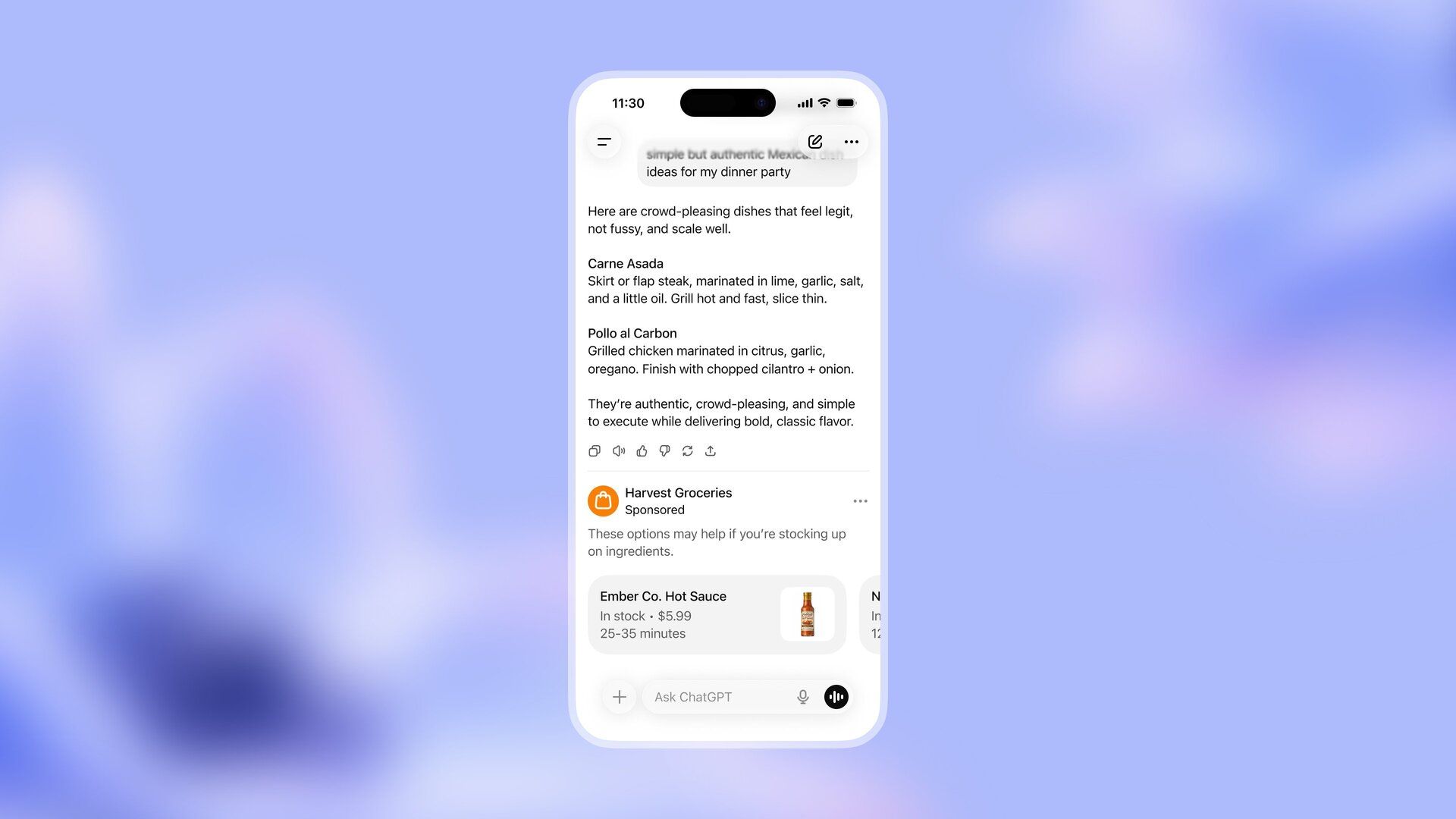
What the first ad formats OpenAI plans to test could look like.
The basics
ChatGPT Go is $8/month, now available in 171 countries. More messages, longer memory, more image generation than free. Ads are coming to both free and Go tiers. Plus ($20), Team, and Enterprise stay ad-free.
Ads show up at the bottom of responses, clearly labeled, separate from the answer. OpenAI says they won't influence what ChatGPT tells you. Someone on Reddit has a different vision:

The thread is worth a scroll if you want to see how people are feeling about this.
The part I keep thinking about
This isn’t really a story about ads but about distribution.
ChatGPT has 800+ million users. 68% of them are on the free tier. That's a massive audience that's about to see sponsored content woven into their AI experience not as banners they can ignore, but as recommendations at the bottom of answers they're actively trusting.
For comparison, contextual ads in AI search (like Perplexity) are getting click-through rates of 3.2%. The display ad industry average is 0.5%. People click on AI recommendations because they feel like advice.
What this means for work
1. Showing up is getting redefined.
If you're in marketing, sales, or building any kind of product, the game is shifting.
Google trained us to think about keywords (eg: rank for X term). AI is evaluating conversational intent. Someone doesn't search "project management software", they ask "I need something to help me manage a remote team of 5 designers who keep missing deadlines."
Microsoft is already calling this shift Answer Engine Optimization. It's less about SEO and more about having documentation that clearly explains what you do, content that answers questions for a machine trying to help someone.
2. AI is becoming the "middle layer" and that changes the transaction.
What’s crazy is OpenAI isn't just adding ads. They're adding commerce. "Instant Checkout" lets you buy things, book Ubers, hire service providers all without leaving ChatGPT. The AI handles the comparison AND the transaction. Think about what that means.
From: Search → click site → browse → buy
To: Ask AI → AI recommends → buy in chat
The brand's website gets cut out entirely. So this is the question to sit with: do you partner with these platforms (and risk losing the direct customer relationship) or stay out (and risk being invisible)?
This isn't new, it's the same dilemma Amazon sellers have faced for years. But it's expanding into a new arena.
3. Judgment becomes the skill.
If AI responses start including sponsored recommendations even clearly labeled ones, the skill isn't "avoid AI." It's knowing when to trust what it tells you.
A study found that when models like GPT-4o integrated ads, users often didn't recognize them as ads. They rated the products positively because the recommendation felt like advice. That's not because people are dumb but because we process these conversations as dialogue, not marketing.
So if ChatGPT recommends a specific tool or vendor, maybe verify with a second source. Or ask it "Are there alternatives you didn't mention?" Treat it like advice from a smart friend who might have a sponsorship deal you don't know about.
Bottom line
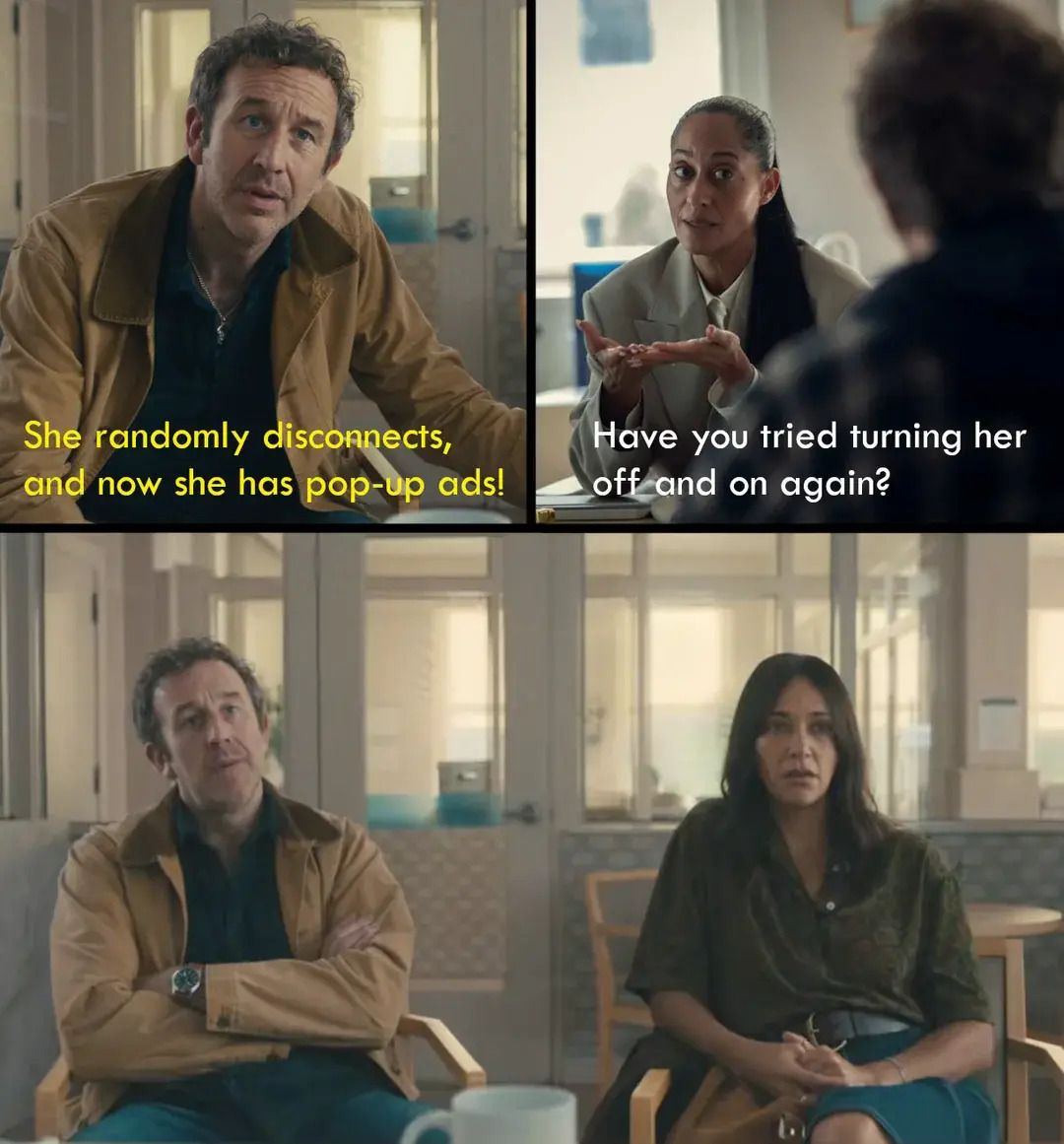
I guess we're one step closer to this Black Mirror episode.
The Vibe Coding Games are here 🏅
Speaking of building with AI, here’s something I wish existed when I started learning to build with AI.
The Vibe Coding Games kick off February 4th and run through February 25th. It's basically the Olympics of building with AI except you don't need to be a developer to compete. The premise is simple: with AI, anyone can build apps now. You don't need to know how to code. You just need an idea and the willingness to figure it out as you go.
Are you game? Join thevibecodinggames.com
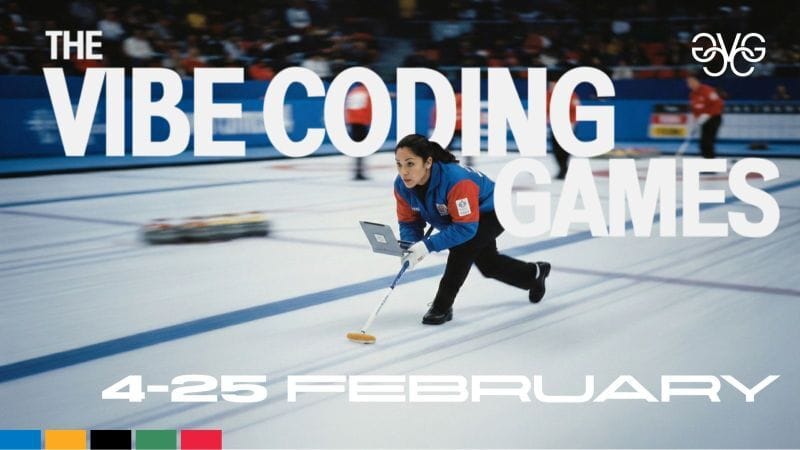
Join the world's most exciting vibe coding competition for non-technical professionals.
This week in keeping up with AI 🤖
If you want to dig deeper, here are the sources I used to write this newsletter:
🔴 LIVE THIS WEEK: If you're coming from a non-technical background and interested in learning about Claude Code, join Harold and James this Tuesday, Jan 27 for a free session + a live demo of Claude Code 101.
Before you go ✌️
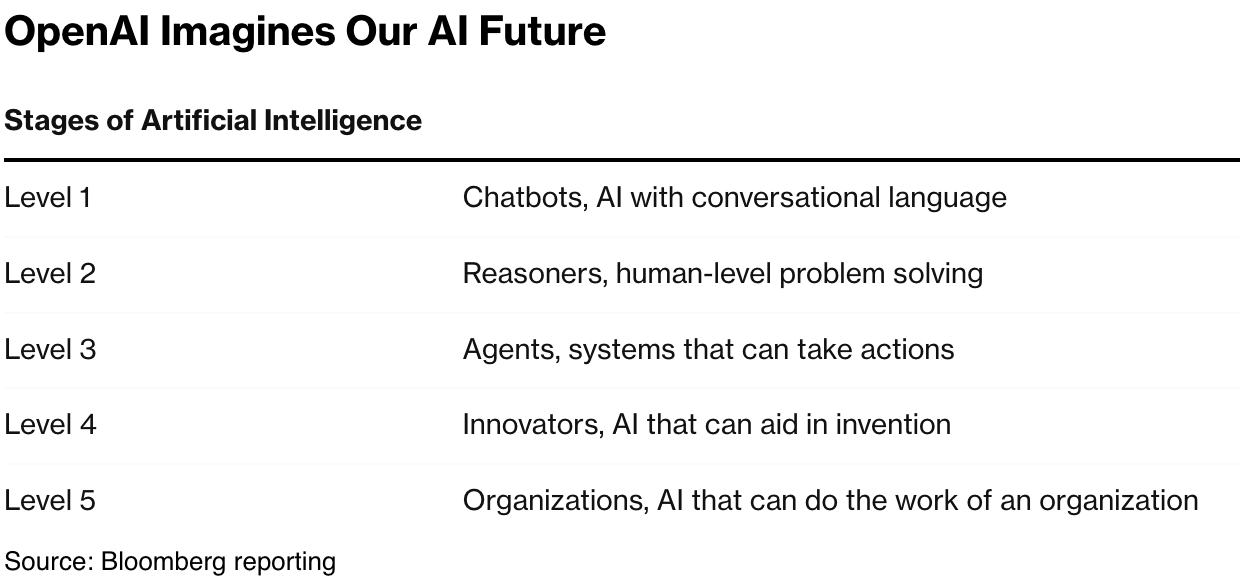
One visual worth seeing
This is where OpenAI says they're heading.
Level 3 is "Agents - systems that can take actions." That's the Instant Checkout stuff.
Level 5 is "AI that can do the work of an organization." The ads aren’t just about monetization. It's funding the path to Level 5.
Which level do you think we're at? And which one scares you?
See you next week! 👋
P.S. Want to make your team & company AI-first? Let us help here.
